
Setting a New Benchmark for Electronics Inspection
The landscape of modern electronics is defined by a relentless drive toward miniaturization
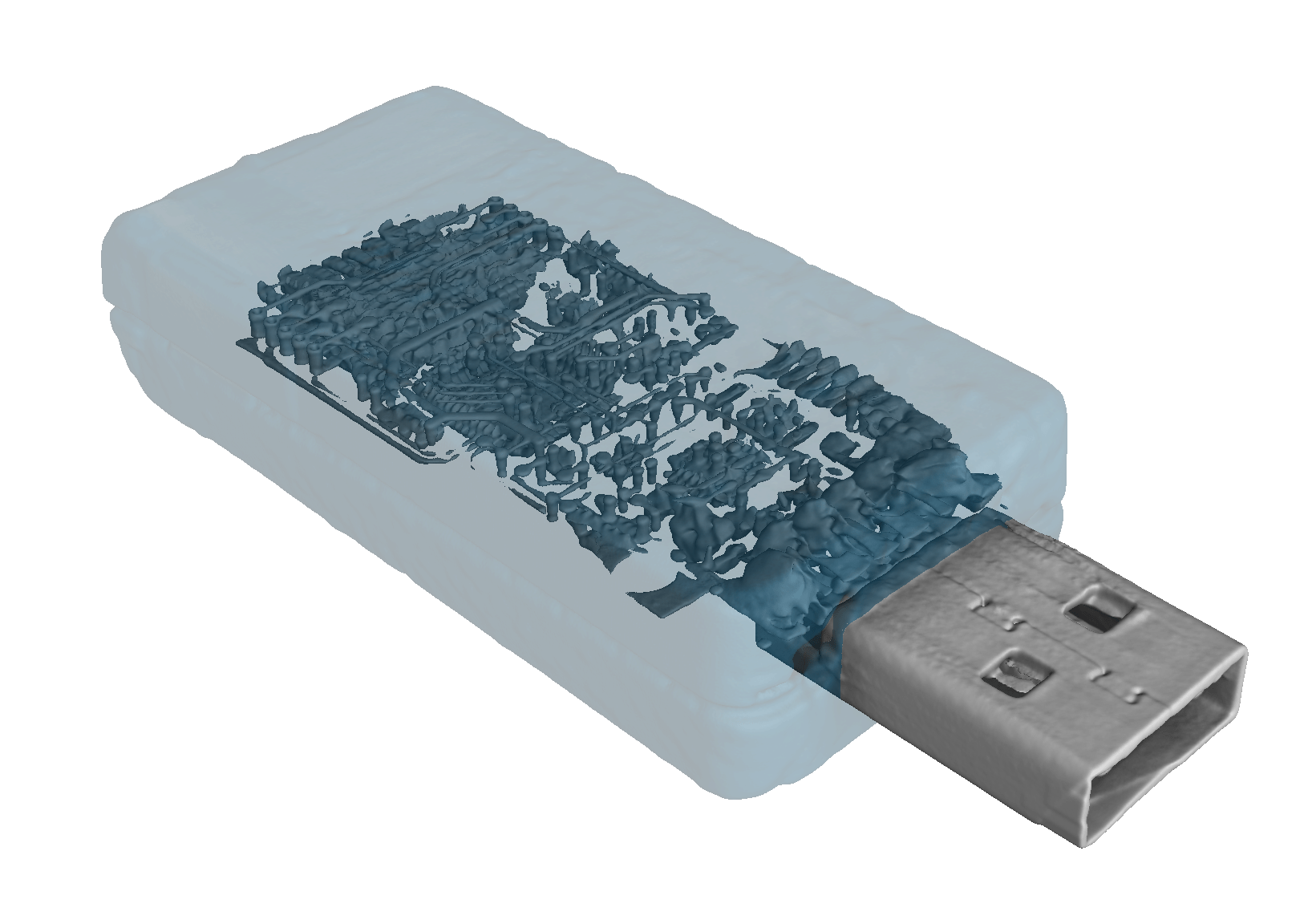
Traditionally, engineers have guarded reliability through a standard arsenal of tests. In-Circuit Testing (ICT) and Flying Probe systems check for electrical pulse, while Automated Optical Inspection (AOI) scans the surface for placement errors.For electronics destined for extreme environments, assemblies are often shaken, baked, and stressed to their breaking points to ensure durability.
However, as components move toward sub-millimeter scales, these traditional surface-level checks reach their physical limits. To truly guarantee quality, we must look deeper. By utilizing X-ray Radiography and Computed Tomography (CT), we can navigate the internal landscape of electronics across four critical pillars of industrial inspection.
The Frontline: High-Speed Soldering Inspection
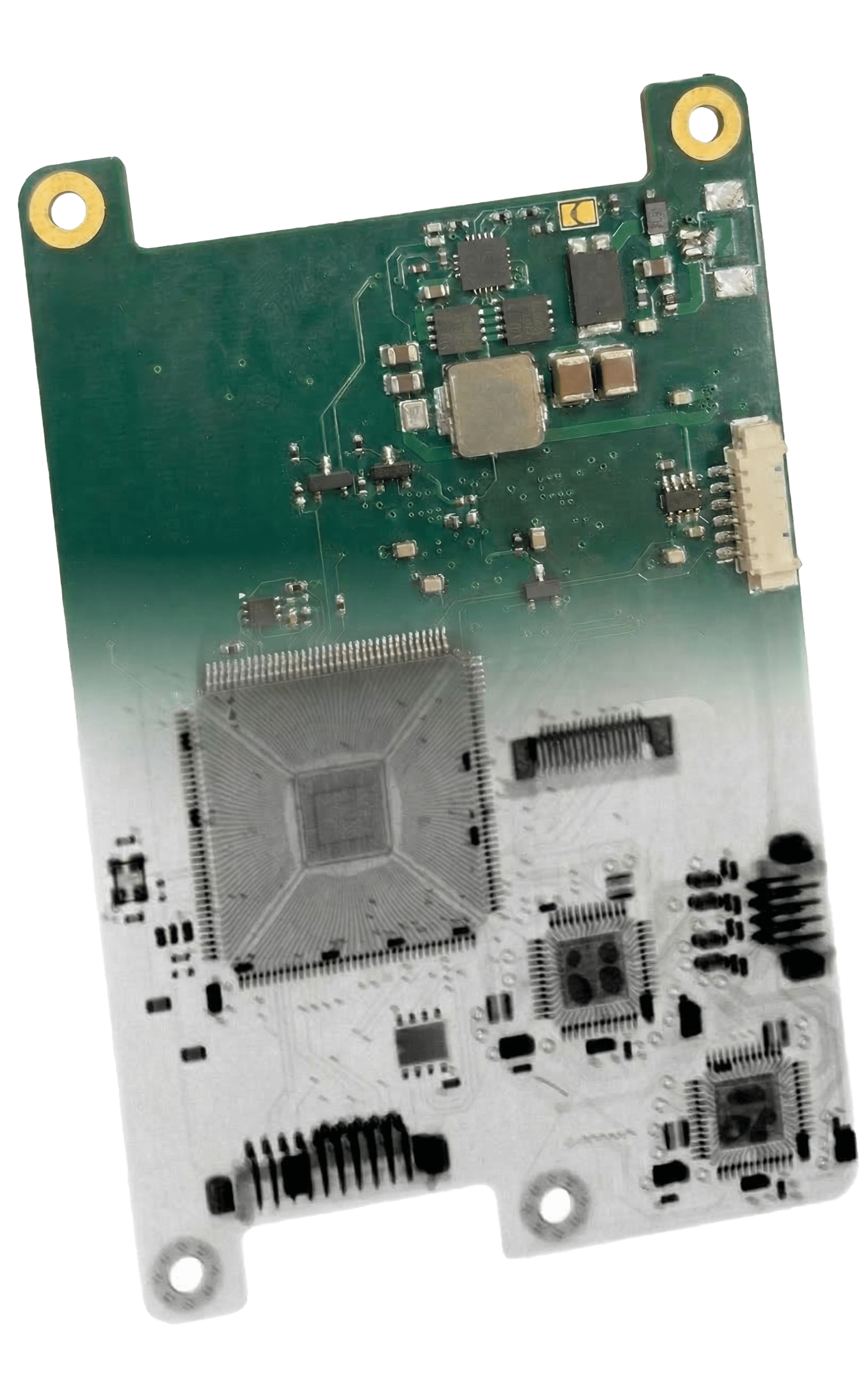
In the fast-paced world of quality control, 2D X-ray Radiography remains the first line of defense. It is the most efficient tool for rapidly detecting “invisible” killers like bridges or broken traces hidden beneath large BGA (Ball Grid Array) or LGA (Land Grid Array) packages. By peering through opaque layers, X-ray soldering inspection ensures the fundamental architecture is sound before
a unit leaves the factory floor.
Digital Forensics: Advanced PCB Analysis
In an era of global supply chains, understanding innovation or verifying the authenticity of high-value components is vital
The Silent Killers: Internal Voiding Analysis
Voids are the hidden enemies of power electronics. These tiny air pockets within a solder joint reduce thermal conductivity, leading to localized overheating and catastrophic failure. Through CT, we don’t just see these voids; we quantify them. We calculate the exact percentage of voiding and visualize its 3D distribution. This level of precision is non-negotiable in the automotive and medical sectors, where strict standards govern voiding limits to ensure long-term stability under thermal stress.
The Frontier: R&D and Process Optimization with Soldering BOX
This is where the industry moves from post-mortem analysis to active prevention. While standard CT shows a joint after solidification, it remains silent on the dynamics of the process.
The CactuX Soldering BOX serves as the bridge between theoretical profiles and physical reality. By enabling in-situ soldering inspection, it allows us to observe wetting kinetics and surface tension forces in real-time.
Why in-situ changes everything:
-
-
-
Real-Time Correlation: Instead of a trial-and-error loop, we see immediate results.
-
Physics-Based Calibration: Observe flux volatiles escaping and measure wetting angles as they happen.
-
Holistic Quality: The Soldering BOX assists in the “birth” of a perfect process, while the CT scan provides the final certification of its success.
-
-
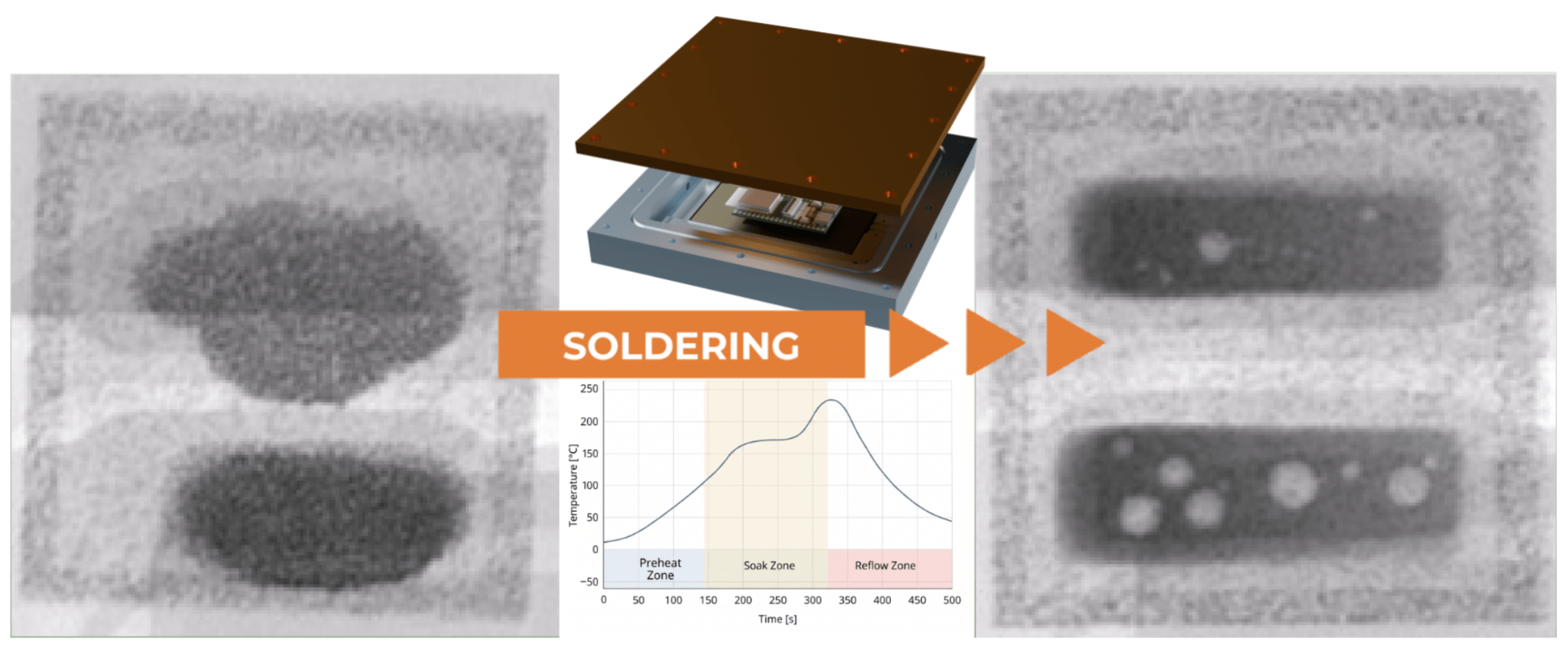
By integrating in-situ monitoring as a precursor to X-ray inspection, manufacturers no longer have to guess what happens inside the reflow oven. They know. This technology ensures the detection of all production defects, preventing faulty products from reaching customers and reducing the massive costs associated with product recalls and market withdrawals.
Whether you are looking for a one-time PCB inspection or aiming to revolutionize your own production line, contact our specialists to book a scan or Request a technical demo of the Soldering BOX.